
Nose Surgery, Northern Virginia


What Is Nasal Reconstruction?

The Anatomy of the Nose
What Can It Do?
- Previous rhinoplasty surgery
- Surgery for the treatment of cancer
- Congenital (genetic) malformations
- Injury or trauma to the nasal region
How Does Reconstructive Nose Surgery Work?
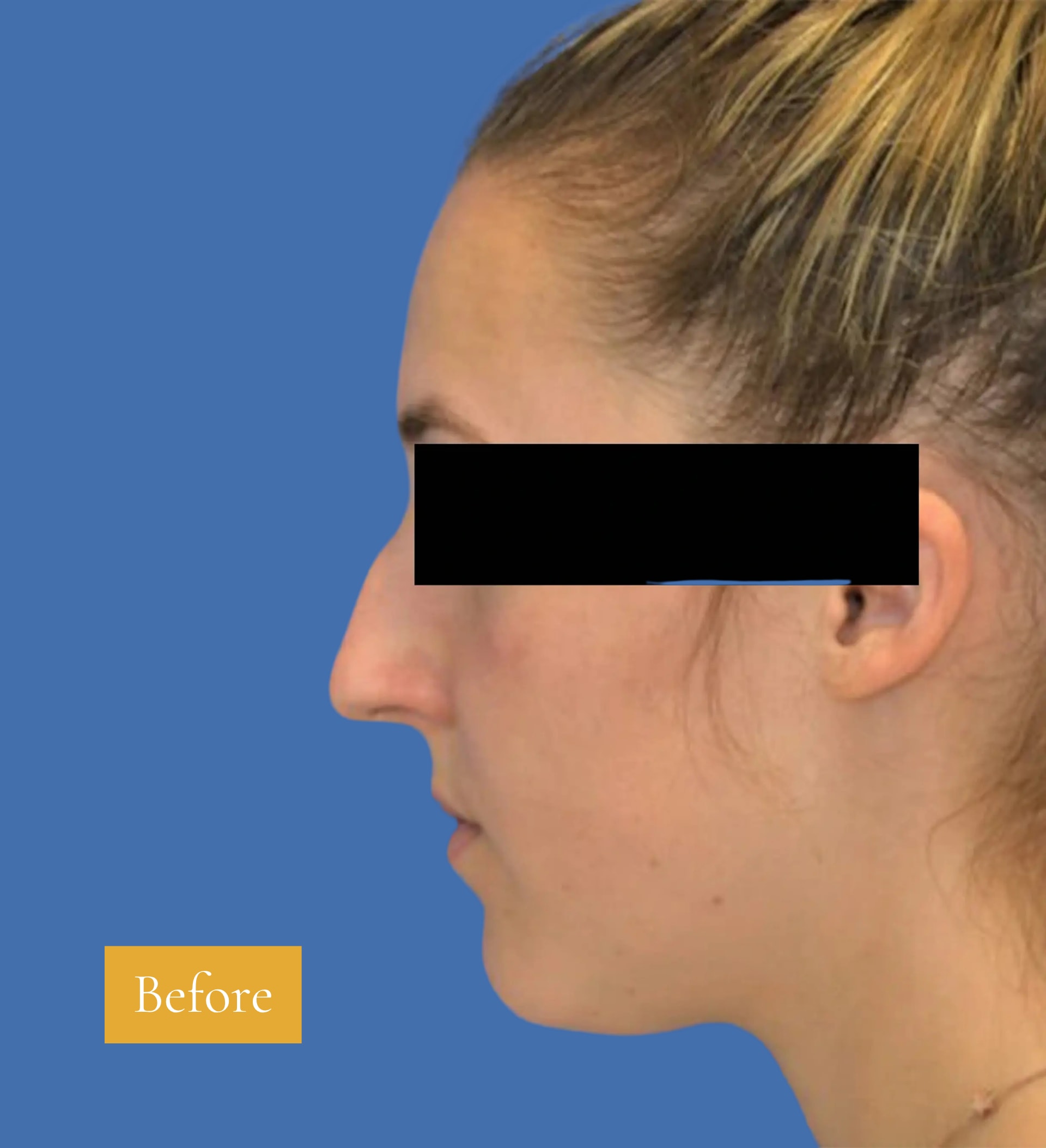
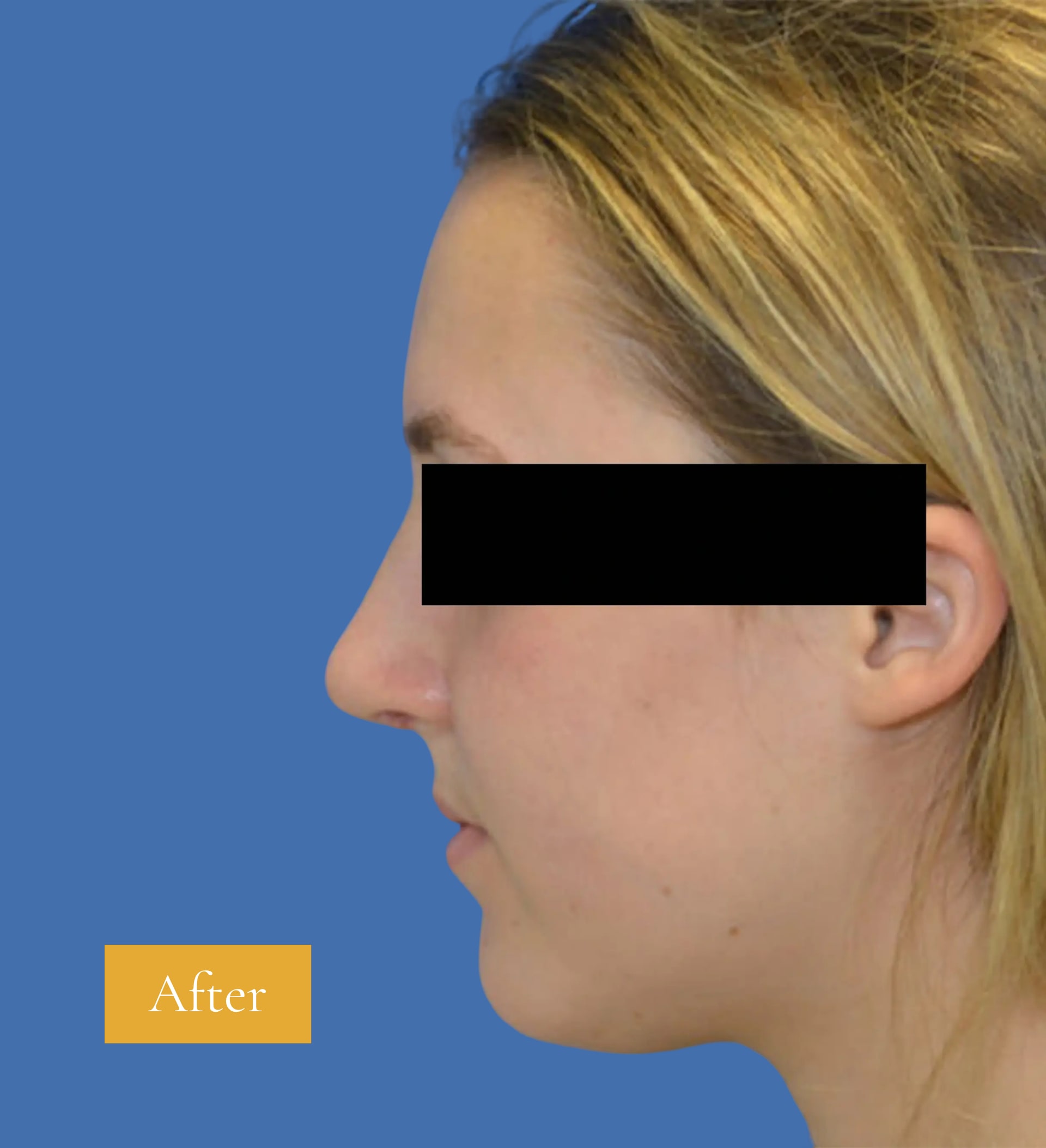
See Stunning Results: Reconstructive Nose Surgery Gallery
Read Real Patient Testimonials: Nasal Reconstruction in Chantilly
Types of Reconstructive Nose Surgery in Northern Virginia
Nasal reconstruction surgery is a subtle but advanced cosmetic procedure. At The Virginia Institute for Surgical Arts, located in Chantilly, Virginia, esteemed facial plastic surgeon Dr. V utilizes cutting-edge nasal reconstruction surgical techniques in order to facilitate the safe and effective treatment of trauma or injury to the nasal region, or to address structural issues stemming from a congenital nasal defect. After conducting a thorough assessment of your medical history and evaluating the structural anatomy of your face, Dr. V will create a customized treatment plan that includes one or more of the following techniques:
Simple Suture Closure
For minor nasal defects (less than 4 to 5 mm) located around the nasal passage opening and columella tissue, or limited only to the upper portion of the nose area, a simple suture closure technique may be used. Only a small amount of extra skin is available on the nose, which limits the size of the defects that can be sutured and closed. If larger defects are closed with limited skin, it can distort the remaining tip or nostrils.
Secondary Intention Healing
Secondary healing is used for small nasal defects on the concave or flat surfaces of the nose. The surgeon will avoid this treatment approach near the convex tip or alar rim in order to prevent distortion of the nasal tip or nostril margins by scar contraction or the creation of a chopped-off or blunted tip appearance.
Skin Graft
Primarily utilized for the treatment of small or superficial nasal defects, a skin graft is frequently taken from the neck, forehead, behind, or in front of the ear. Skin grafts may be employed as a nasal reconstruction repair technique either immediately after the wound has occurred, or a week or two later ("delayed" graft) if the wound needs time to properly vascularize. Although skin grafts may be a suitable option for small wounds, the color and texture of the graft can be unpredictable and may not perfectly match the skin adjacent to the nasal region.
Local Flaps
Small nasal defects may be treated with local skin flaps, which redistribute skin from the upper nose's glabella area to cover a defect within the inferior dorsum and tip. Because there is such a small amount of excess nasal skin, local flaps are only appropriate for small (less than 1.5 cm), superficial wounds. Although these procedures do typically result in a small scar, the flap technique offers the benefit of creating a more reliable texture and color match than can be achieved with natural skin grafts, an appealing option for many patients.
Regional Flaps
Regional flaps reposition excess tissue from facial areas adjacent to the nose (e.g. nasolabial fold, forehead) in order to cover a nasal defect or wound. Nasolabial flap cosmetic reduction via reconstruction of the nose may be performed as a single outpatient procedure, or (for deeper defects) a two-stage nasolabial flap involving two surgeries spaced 3-4 weeks apart.
Forehead Flap
The skin of the forehead often serves as an excellent donor site for reconstructive nasal repairs because of its similar color and texture to the nose. A forehead flap is appropriate for nasal defects that are deep, larger than 1.5 cm, or require cartilage support and lining replacement. Forehead flap procedures may be performed in two or three stages, depending upon the severity of the defect, and are typically performed under general anesthesia.
Simple Suture Closure
For minor nasal defects (less than 4 to 5 mm) located around the nasal passage opening and columella tissue, or limited only to the upper portion of the nose area, a simple suture closure technique may be used. Only a small amount of extra skin is available on the nose, which limits the size of the defects that can be sutured and closed. If larger defects are closed with limited skin, it can distort the remaining tip or nostrils.
Secondary Intention Healing
Secondary healing is used for small nasal defects on the concave or flat surfaces of the nose. The surgeon will avoid this treatment approach near the convex tip or alar rim in order to prevent distortion of the nasal tip or nostril margins by scar contraction or the creation of a chopped-off or blunted tip appearance.
Skin Graft
Primarily utilized for the treatment of small or superficial nasal defects, a skin graft is frequently taken from the neck, forehead, behind, or in front of the ear. Skin grafts may be employed as a nasal reconstruction repair technique either immediately after the wound has occurred, or a week or two later ("delayed" graft) if the wound needs time to properly vascularize. Although skin grafts may be a suitable option for small wounds, the color and texture of the graft can be unpredictable and may not perfectly match the skin adjacent to the nasal region.
Local Flaps
Small nasal defects may be treated with local skin flaps, which redistribute skin from the upper nose's glabella area to cover a defect within the inferior dorsum and tip. Because there is such a small amount of excess nasal skin, local flaps are only appropriate for small (less than 1.5 cm), superficial wounds. Although these procedures do typically result in a small scar, the flap technique offers the benefit of creating a more reliable texture and color match than can be achieved with natural skin grafts, an appealing option for many patients.
Regional Flaps
Regional flaps reposition excess tissue from facial areas adjacent to the nose (e.g. nasolabial fold, forehead) in order to cover a nasal defect or wound. Nasolabial flap cosmetic reduction via reconstruction of the nose may be performed as a single outpatient procedure, or (for deeper defects) a two-stage nasolabial flap involving two surgeries spaced 3-4 weeks apart.
Forehead Flap
The skin of the forehead often serves as an excellent donor site for reconstructive nasal repairs because of its similar color and texture to the nose. A forehead flap is appropriate for nasal defects that are deep, larger than 1.5 cm, or require cartilage support and lining replacement. Forehead flap procedures may be performed in two or three stages, depending upon the severity of the defect, and are typically performed under general anesthesia.
Ideal Candidates for Reconstructive Nose Surgery
Nose surgery candidates in Northern Virginia will be anyone unhappy with the appearance of their nose, particularly after an injury or an existing congenital issue. Dr. V has worked with hundreds of nose reconstruction patients whose reasons for getting surgery are deeply individual.
A good candidate for reconstructive nose surgery may be someone who:
- Has congenital nasal deformities or scarring
- Feels self-conscious with past cosmetic or functional nose procedures
- Struggles socially due to low confidence because of their appearance
- Notice visible asymmetry or irregularities following a previous injury or surgery
- Have noticeable scarring or skin discoloration from prior trauma
- Want a nasal appearance that better complements their facial harmony and ethnic features

Recovery from nasal reconstruction surgery is a gradual, carefully monitored process. Most patients experience swelling and bruising in the first 7-14 days, particularly around the more sensitive nasal sill, facet, and alar rim areas. Nasal congestion and temporary numbness are common. By week 3, most patients can return to work and light activities. Final refinements in contour continue to evolve over several months, with full healing taking up six months to one year.
Full recovery expectations, as well as key healing stages and nasal reconstruction surgery timelines, will be monitored by Dr. V. Our entire care team at The Virginia Institute for Surgical Arts is here to provide a comfortable, confident recovery.
While nose reconstruction surgery is safe when performed by an expert like Dr. V, informed decisions require understanding potential risks. Patients are in exceptional hands, but all nasal reconstruction surgeries involve some degree of varied outcomes and risk. These may include:
- Bleeding or hematoma formation
- Infection at the surgical site
- Nasal flap discoloration/color match irregularity
- Nasal asymmetry
Recovery from nasal reconstruction surgery is a gradual, carefully monitored process. Most patients experience swelling and bruising in the first 7-14 days, particularly around the more sensitive nasal sill, facet, and alar rim areas. Nasal congestion and temporary numbness are common. By week 3, most patients can return to work and light activities. Final refinements in contour continue to evolve over several months, with full healing taking up six months to one year.
Full recovery expectations, as well as key healing stages and nasal reconstruction surgery timelines, will be monitored by Dr. V. Our entire care team at The Virginia Institute for Surgical Arts is here to provide a comfortable, confident recovery.
While nose reconstruction surgery is safe when performed by an expert like Dr. V, informed decisions require understanding potential risks. Patients are in exceptional hands, but all nasal reconstruction surgeries involve some degree of varied outcomes and risk. These may include:
- Bleeding or hematoma formation
- Infection at the surgical site
- Nasal flap discoloration/color match irregularity
- Nasal asymmetry
Nose Surgery Recovery Expectations
Recovery from nasal reconstruction surgery is a gradual, carefully monitored process. Most patients experience swelling and bruising in the first 7-14 days, particularly around the more sensitive nasal sill, facet, and alar rim areas. Nasal congestion and temporary numbness are common. By week 3, most patients can return to work and light activities. Final refinements in contour continue to evolve over several months, with full healing taking up six months to one year.
Full recovery expectations, as well as key healing stages and nasal reconstruction surgery timelines, will be monitored by Dr. V. Our entire care team at The Virginia Institute for Surgical Arts is here to provide a comfortable, confident recovery.
Risks of Nasal Reconstruction
While nose reconstruction surgery is safe when performed by an expert like Dr. V, informed decisions require understanding potential risks. Patients are in exceptional hands, but all nasal reconstruction surgeries involve some degree of varied outcomes and risk. These may include:
- Bleeding or hematoma formation
- Infection at the surgical site
- Nasal flap discoloration/color match irregularity
- Nasal asymmetry
What to Expect With Chantilly Nasal Reconstruction
Nose Surgery Consultation
Pre-Nose Reconstruction Surgery Prep Work
Day of Nose Surgery
Nasal Reconstruction Recovery

Follow-up Appointment(s)

Social Readiness

Why Choose Dr. V for Nose Surgery in Northern Virginia?
Choosing the right surgeon for nasal reconstruction surgery is an important and deeply personal decision. Whether you seek to correct a past injury or enhance specific portions of nasal aesthetics, Dr. V provides the compassionate care and surgical excellence patients deserve.
- Leading national face and neck plastic surgeon. Nationally recognized for her expertise in facial reconstructive surgery and artistry across 2+ decades of nasal reconstruction surgery practice.
- Double board certified. Certified by the American Board of Facial Plastic and Reconstructive Surgery and the American Board of Otolaryngology/Head and Neck Surgery - credentials that ensure advanced training and exceptional standards of care, particularly for nasal reconstruction.
- Traveling speaker and presenter. Dr. V lectures at prestigious global otolaryngology and facial surgery conferences, as well as authored articles for international medical journals.
- Heritage-honoring aesthetic surgeries. Forget the one-size-fits-all standard of beauty. Dr. V customizes every reconstruction of the nose to honor your unique ethnic and facial features.
- Offers 3D-image guided results. Consultations include advanced 3D imaging and a collaborative approach to guide each patient's individualized reconstructive nose surgery in Northern Virginia.

Book Your Northern Virginia Nose Surgery Consult